America strikes back at China: Venezuela Date: 17 Jan 2025 (sv)
Date: 17 Jan 2026 (Public release on 30 Jan 2026 truncated)
Independent Global Geopolitical Macroeconomic Research
Dear reader
We hope you have started this year well.
The world feels different in 2026. We sensed this already in the fall of 2025. What triggered it? Many trends, conflicts, crises and political processes are converging. Many factors are at work.
For Europe 2026 started with a shocking tragedy in Switzerland, but for the world economy and the military industry in particular 2026 started with a Day of Reckoning: On 1 Jan 2026 China practically stopped its silver exports.
This move shifted the ongoing global economic war into a higher gear. For years the West took Chinese supply of rare earths and silver for granted.
Underestimating America – Many have made this mistake before.
China had outsmarted the West on so many fronts, many had prematurely called America “down and out” and therefore welcomed China or the rising multi-polar order as the new reality. While the new Chinese products deserve praise and developing nations say Beijing interferes less in their judiciary system than the West, many equated China’s economic might prematurely with effective military power projection around the world.
America is hitting hard at its growing number of military and economic adversaries; and showing why the USA and the USD, though somewhat on the retreat, are still mighty.
America’s military power has few challengers: As we argued ten years ago – ultimately the USD is not backed by the US Treasury, but the US Armed Forces – the US Navy in particular. There are of course several areas of possible military confrontation, but barring a ballistic nuclear global conflagration, Russia and China cannot challenge the USA on conventional warfare theatres far away from their respective homelands.
World leaders in Europe, Asia, Africa, the Middle East and Latin America keep getting America wrong and this is costing them.
Venezuela looms large
In Venezuela the US military extracted Mr. Nicolas Maduro earlier this month, whom Washington and other Western democracies deem a dictator, by neutralising modern Russian and Chinese defense systems. Highly regarded Cuban intelligence was also neutralised. Even US foes are stunned by the success of this daring and complex operation.
This is a master stroke at China, but also a message to other allies – especially in Europe and Latin America. It shows what America can do in Iran, Greenland or anywhere else.
While Maduro’s allies along some European leaders were upset about the breach of international law, capitals that are more aware the world has entered a period of conflict (war) took the news with a grain of salt, diplomatic caution or pragmatism. Millions of suffering Venezuelan refugees across Central and South America had grown tired over the years about the “international law” argument, because to them it only entrenched Mr. Maduro in power. In recent days some added that Western capitals had breached international law at their own discretion in recent decades – Why didn’t they intervene earlier? The USA and Europe did indeed set a precedent in former Yugoslavia – one that is haunting the West since.
Geopolitically speaking America has sent a stern message at Europe, because in recent months, a number of European powers signalled “now that America and Europe are drifting apart, we can work closer with China instead”.
One two punch against China?
Although it stabilises the region and the humanitarian catastrophe, the surprise raid on Venezuela was aimed primarily at China and it hurts China’s interests on different fronts.
America’s response to China’s silver export ban is still ongoing, but we see already clear elements of strategy and the calculated deployment of the many resources available only to the USA. Our independent analysis suggests the raid was in preparation long ago, but several events (including China’s silver export ban) made it more urgent.
In Venezuela Washington has swiftly denied China the biggest oil reserves in the world.
Two weeks later Washington has also freezing all immigration visas to countries that are de facto aligned with China and anti-US policies.
Officially the talk is of abuse of immigration laws and benefits, but when one reads the list of 75 nations on the visa ban list, one can see the pattern. Nations aligned with Washington and nations that have cautiously signalled a neutral but cooperative posture are not on the ban list. In fact some countries whose nationals cause trouble to US law enforcement, but whose governments are cooperating with Washington, were spared.
What is more important yet is that President Trump has effectively raised the stakes and threat level on Iran, a BRICS member. Iran is another very important supplier of oil to China. While many expect Washington to strike, the main thrust is highly effective: Washington is putting pressure on Russia’s oil revenues and China’s oil supplies. It is forcing Moscow and Beijing to make concessions or expect a more direct clash with America.
Temporary China setback in the Western hemisphere
While many Western analysts focus on how Beijing may benefit from Washington’s raid on Venezuela (primarily on Taiwan), they miss the big impact the recent US moves are having on China’s image in Latin America.
Despite being an important ally, Beijing could not protect Mr. Maduro from US forces. And this extends a worrisome record: Already last year Beijing couldn’t protect Iran, another key China ally, from a massive US-Israeli raid on Iran’s nuclear facilities. Teheran has yet to recover from that blow. China-friendly LatAm nations only realise now that Beijing cannot protect them.
Although US Secretary of State Marco Rubio had openly warned about America’s new National Security Strategy and that it would not tolerate the rise of any threats in the Americas, Latin American media & thought leaders seem to have been slow to fully grasp how much their hemisphere has changed last year.
In light of an assertive US President, a number of South American capitals relied on China and to some extent Europe to uphold their interests. But to their frustration, Europe and China look overwhelmed and Beijing shrank back from any action against America on its Venezuela raid.
The reckoning in capitals aligned with China across the Western hemisphere – especially South America – cannot be overstated. This is also forcing some countries to rethink their current strategy to shift from Washington to Brussels.
It is increasingly evident that Europe is in a strategic trap of its own making and exceedingly vulnerable: Europe freely dismantled its military, sent its factories to China, banned it best cars and relied on an expensive renewable energy mix. A weakened Europe has defied Russia, the USA and China. A trade deal with Mercosur or India doesn’t make up for all those losses.
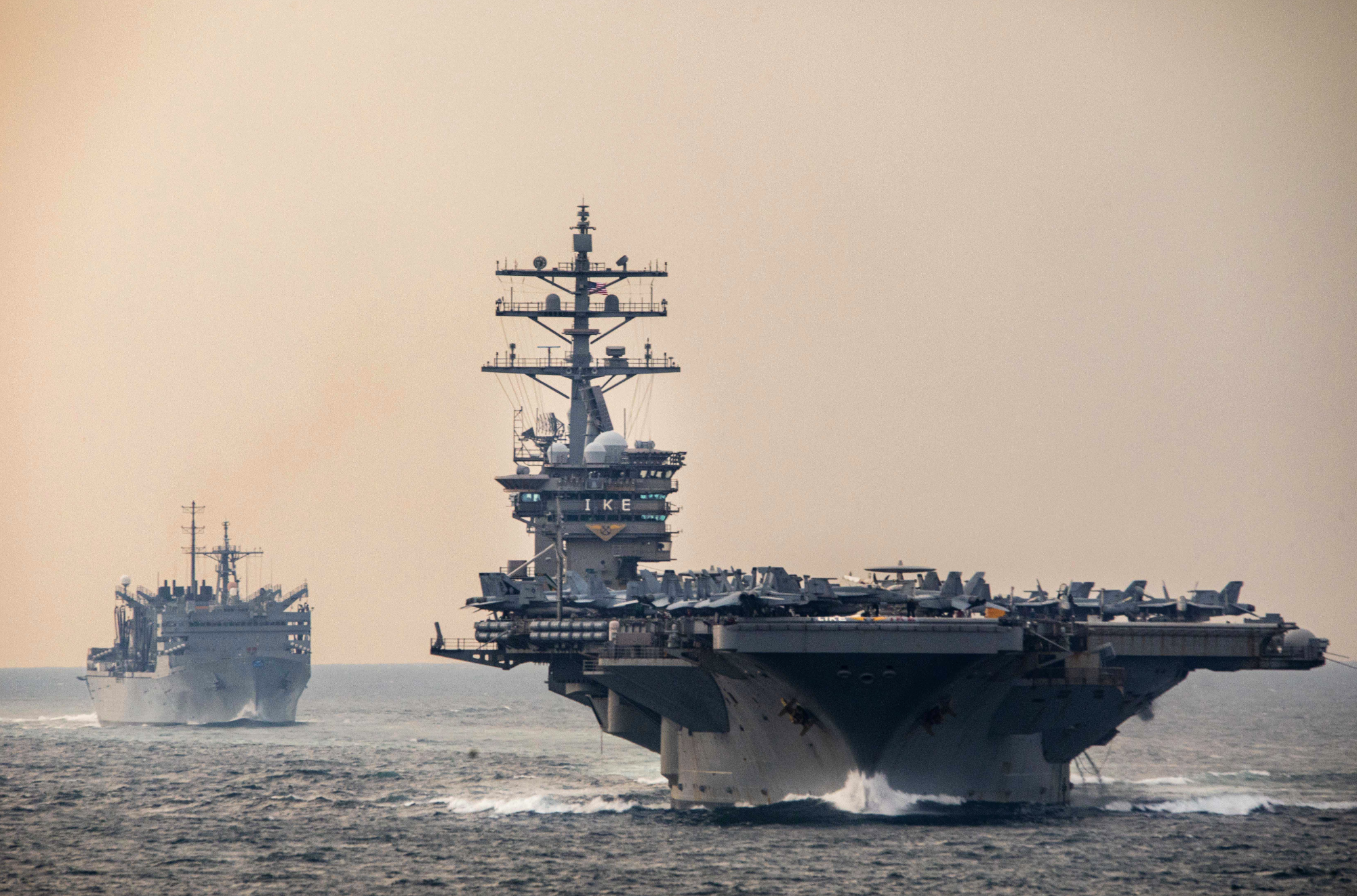
Military power is not evenly distributed in this new multi-polar world so many nations were so eagerly welcoming.
This report has been truncated here. If you wish to read the full report or subscribe to our newsletter you can do so at www.geopoliticalreseaerch.com. Only subscribers receive our reports instantly. Public releases are delayed & truncated.
Latin miscalculation?
A continent split in two?
Being neutral needs foresight
A word for 2026
At the start of 2026 we learnt that the scripture received for the year* 2026 by the famous Herrnhuter Brüdergemeinde (formerly Moravian church) was the scripture in Revelation 21:5, Holy Bible: He who was seated on the throne said, “I am making everything new!” (NIV) . In light of what we expect, this word (motto) couldn’t be more accurate.
* A tradition going back over 250 years.
For new readers
We have committed to objective analysis of geopolitical and economic developments – doing so with respect and a balanced approach. We seek to add value. Especially, because many commentators, journalists and analysts these days are passing judgement. Some are keen to shape public opinion rather than reporting or analysing facts. We appreciate activists – the world needs them, but we also need reporters and analysts that strive to separate their personal opinion from their professional work.
Furthermore we have committed to focus on that which consensus is underestimating and we release a report only when our analysis deviates from consensus significantly or we change our outlook significantly.
A reminder: we are not a periodical. When we release a report depends solely on how our analysis differs from consensus and if we have changed our assessment. We are independent and we think independently. We don’t let AI write any of our reports.
Geopolitical Research Team – 17 Jan 2026 (Public release on 30 Jan 2026 truncated)
info@geopoliticalresearch.com
Research made in Switzerland
Geopolitical and economic conditions need close monitoring, because they can change suddenly.
No part of this report should be taken or construed as an investment recommendation.
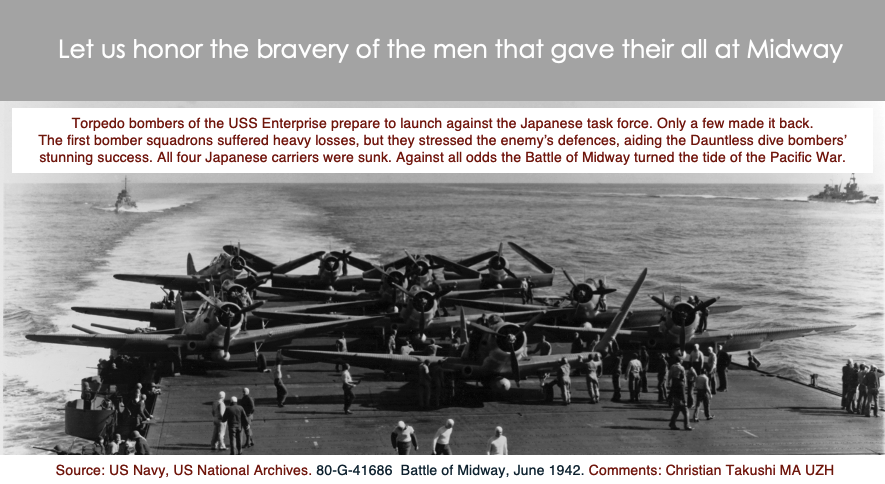
Since 2016 our newsletter is ranked among the 50 most reliable sources of geopolitical analysis worldwide.
Independent research and releasing a report only when we deviate from consensus adds value.